Play for Life transnational meeting: training, workshops and advocacy in April 2026
Aggiornamento: 14 set
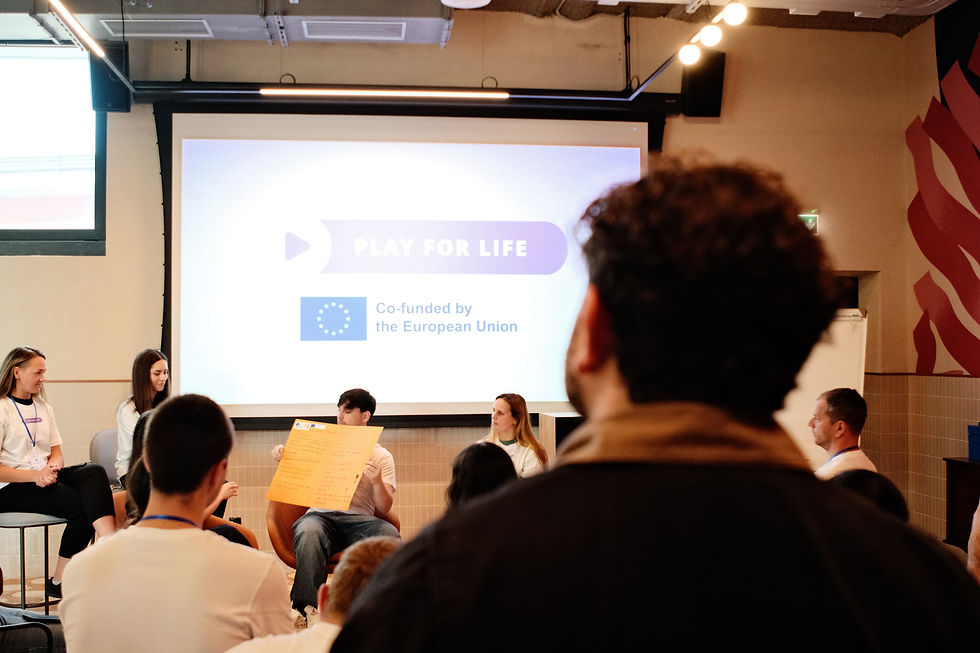
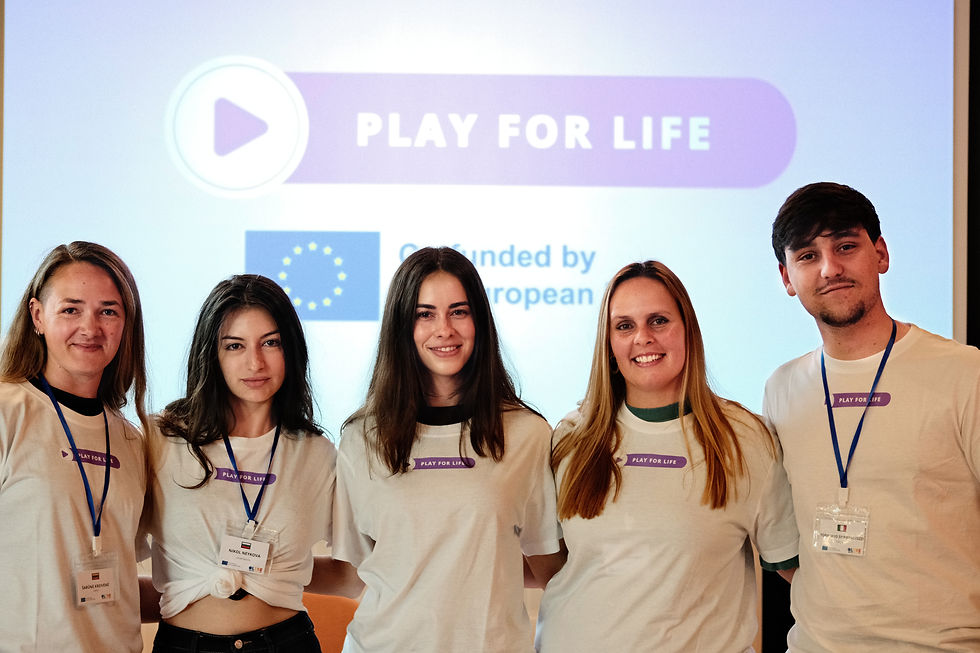
In April 2026, the partners of the Play for Life – PFL project took part in the first Transnational Meeting, an important in-person event dedicated to training, exchange of practices and the development of the project’s educational approach.
The meeting represented a key step in the implementation of Play for Life, as it allowed the partners to move from the initial coordination phase to practical training activities.
The event focused on the role of sport in preventing youth substance abuse and on the importance of sport youth workers as educational figures in the lives of young people.
The activities were organised through a non-formal education approach, combining informative sessions, workshops, practical laboratories and group reflection. This methodology allowed participants to actively contribute, share experiences and connect theoretical contents with real situations from their own sport and youth work contexts.
The first activity was an informative session on data and effects of addiction on young people. Participants explored the impact of substance abuse on young people’s physical health, mental well-being, social life and educational pathways. The session helped participants better understand the complexity of youth addictions and the importance of prevention.
Particular attention was given to the factors that can increase young people’s vulnerability, such as isolation, peer pressure, lack of positive adult figures, family difficulties, social exclusion and lack of safe spaces for personal development.
The second activity was a workshop on the educational role of sport. During this session, participants reflected on how sport can become a tool for inclusion, prevention and personal growth. Sport was discussed not only as physical activity, but as a relational and educational environment where young people can develop trust, discipline, cooperation and resilience.
The workshop also encouraged sport youth workers to reflect on their own role. Coaches, trainers and volunteers are not only technical figures: they can become positive models, trusted adults and key actors in prevention work.
The third activity was a laboratory on how to create an advocacy campaign. Participants worked on the development of messages and communication strategies to raise awareness about the role of sport in preventing youth substance abuse.
This laboratory laid the foundations for the future Advocacy Campaign of the project, which will include infographics, social media carousels and awareness materials addressed to sport communities, young people, families and local stakeholders.
The April 2026 transnational meeting also contributed to the development of the project deliverables, especially the Play for Life Method and the Advocacy Campaign. The ideas, reflections and materials produced during the activities will support the creation of practical and accessible resources for sport youth workers.
The meeting confirmed the importance of transnational cooperation in addressing complex social challenges. By bringing together different experiences, the partners started building a shared European approach to prevention through sport.
Play for Life continues with a strong message: sport can become a safe, inclusive and educational space where young people at risk can find support, belonging and positive alternatives.